
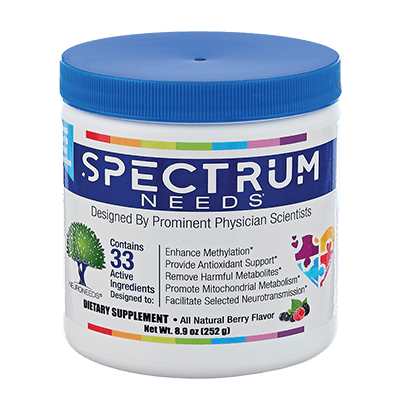
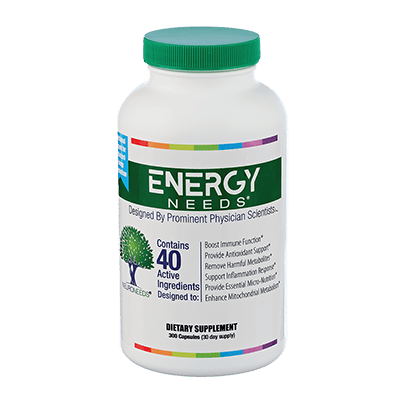
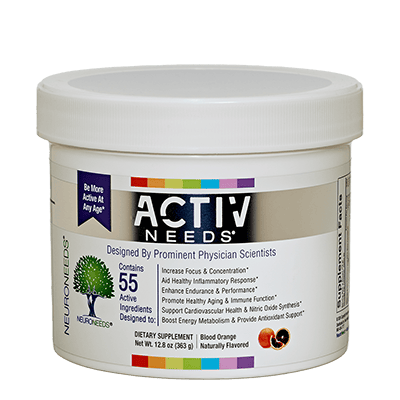
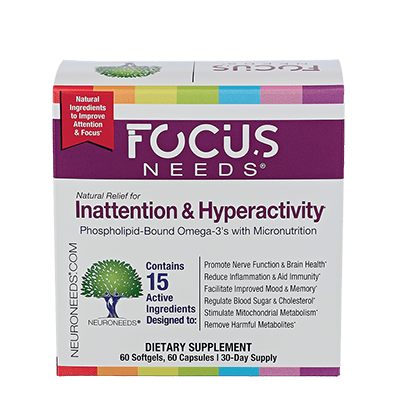
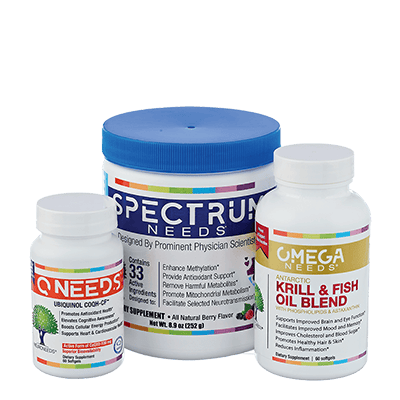
 What Is SpectrumNeeds®?
 What Is ActivNeeds?
 What Is EnergyNeeds®?
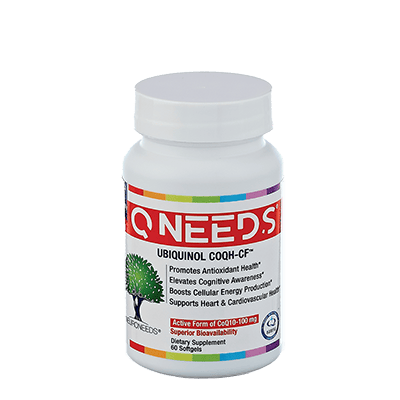
 What Is QNeeds®?
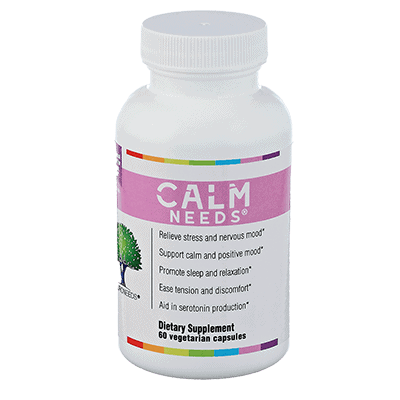
 What Is CalmNeeds®?
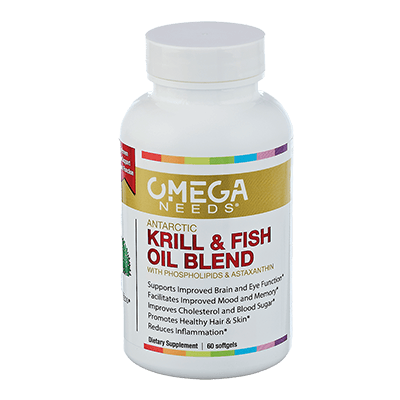
 What Is OmegaNeeds™?
 What Is FocusNeeds™?
 Products By Condition
 Blog
Blog About NeuroNeeds Video
 Summary of Products
 Medical Advisory Committee
 Research
 Find A Doctor
Summary of an article by Dr. Richard G. Boles entitled: De Novo Variants Predominate in Autism Spectrum Disorder.
The full study can be accessed [here]
12/3/2025
In another groundbreaking research study published on September 17, 2025, Dr. Richard G. Boles and his research group investigated the genetic basis of autism spectrum disorder (ASD). The study followed up on his 2024 study that analyzed DNA sequencing data from 50 of his patients with ASD through trio-whole genome sequencing (WGS). In this new study, 100 additional people with ASD, all patients of Dr. Richard Frye, were evaluated by trio-WGS.
New Mutations Underpin Half of ASD Cases: The key finding of both studies is that about one-half of the people with autism have “de novo” (new) genetic variants as a major part of the genetic contribution of their ASD. “De novo” variants are new mutations not present in either parent. While a large number of papers have revealed de novo mutations in ASD, these are the first studies to show that they are very common. However, the genetics of ASD is far more complicated than de novo variants alone. Of note, patients both with and without de novo mutations generally have inherited DNA variants also related to their disease. Finally, environmental factors regulate genes and are important causes of ASD as well.
Why Is ASD Increasing Rapidly? Researchers have impressive evidence that ASD is predominately genetic. However, many pediatricians and educators (those of us “in the trenches”) are experiencing that ASD is many times more common than it was in past decades. How can a genetic disorder increase so rapidly? Is it possible for human genetics to change that fast? Well, it looks like it can; de novo (new) mutations are genetic, but not inherited. There are many factors that are part of our rapidly-changing environment that are known to be able to induce de novo mutations, including heavy metals, chemical pollutants, components of smog, and diet-driven vitamin deficiencies (e.g., folate). More research is needed to look into these and other potential causes for de novo mutations and ASD.
Limitations: Most of the ASD patients in the two studies were moderate or higher in terms of disease severity. It appears that those with lesser disease severities likely have fewer de novo mutations, whereas the genetic component for ASD is mostly inherited from their parents.
Study Authors: In addition to Drs. Boles and Frye, three students were coinvestigators in the study and authors on the publication. Omri Bar and Zoë Hill are currently in medical and graduate schools, respectively. Philip Boles is Dr. Boles’ son, who recently graduated from the University of California at Santa Cruz with a major in Molecular Cell & Developmental Biology. Philip did the vast majority of the work reviewing the DNA sequence of all 23,000 genes for de novo mutations.
Genetic Testing Often Leads to Improved Outcomes: In Dr. Boles’ clinical experience, most people with ASD have one or more genetic variants that respond favorably to therapies. While the treatable DNA variants can be de novo, they also can be inherited. While most patients improve on treatment based on the underlying genetics, the degree of improvement varies from mild to extreme. Dr. Boles performs a special in-depth analysis of the raw DNA sequence. For this service, sequencing must be trio (including both biological parents) whole genome sequencing (WGS) at Variantyx. If interested, contact Dr. Boles’ coordinator, Liz (liz@molecularmito.com).
Natural Treatments That Work in ASD: Dr. Boles and his team of physicians and scientists at NeuroNeeds® developed SpectrumNeeds®, which consists of 33 active ingredients targeting the main treatable pathways that contribute to ASD, in particular mitochondrial dysfunction (abnormal energy metabolism). A recent pilot study revealed significant benefits with SpectrumNeeds® and QNeeds® (highly-bioavailable coenzyme Q10) in ASD. Improvements were noted in communication, socialization, and behavior on active supplements but not on placebo. If interested, contact NeuroNeeds® (neuroneeds.com).
The content within this article and NeuroNeeds® blog is not intended to be a substitute for professional medical advice, diagnosis, or treatment. Always seek the advice of your physician or other qualified health provider with any questions you may have regarding a medical condition. Never disregard professional medical advice or delay in seeking it because of something you have read on this blog.