
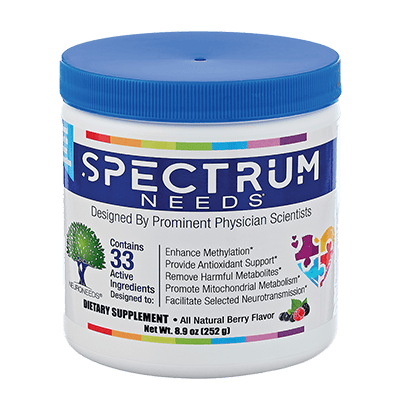

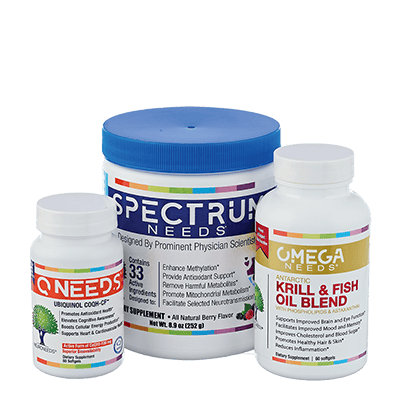
 What Is SpectrumNeeds®?
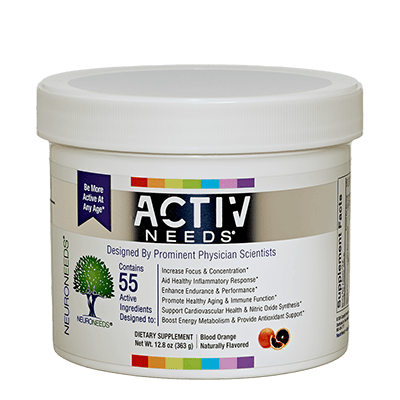
 What Is ActivNeeds?
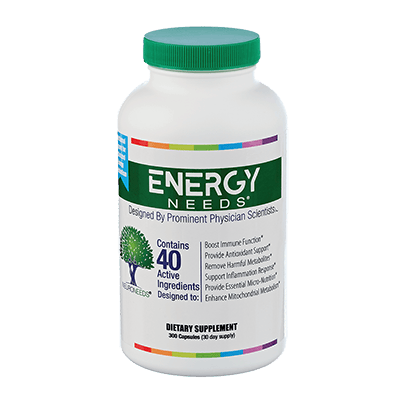
 What Is EnergyNeeds®?
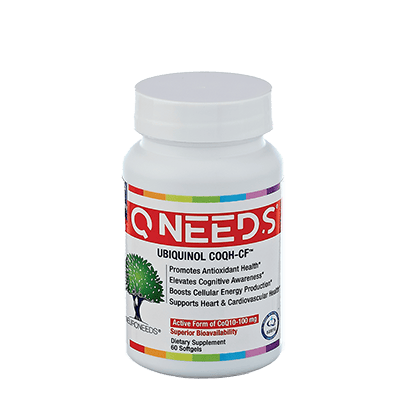
 What Is QNeeds®?
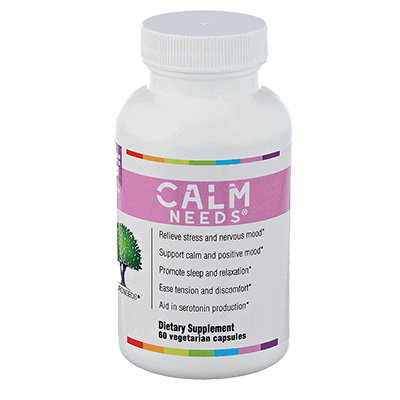
 What Is CalmNeeds®?
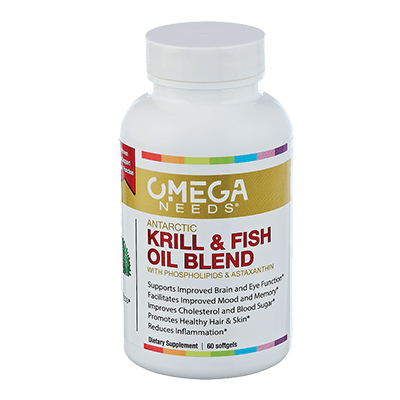
 What Is OmegaNeeds™?
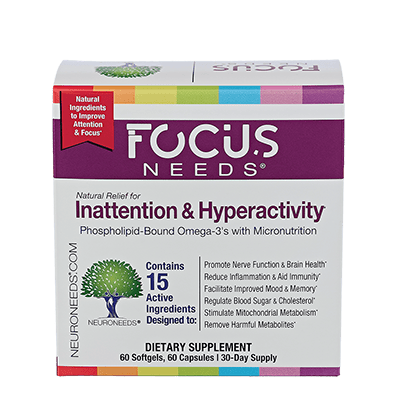
 What Is FocusNeeds™?
 What is FolinicNeeds®?
 Products By Condition
 Blog
 About NeuroNeeds Video
 Products Guide
 Medical Advisory Committee
 Research
 Find A Doctor
About FolinicNeeds & Why Folate Matters.
Folate (vitamin B9) helps the brain in many ways. But getting it there isn’t always simple. Some people have antibodies that block the main “doorway” Folate uses to enter the brain. These antibodies are sometimes linked to an immune reaction to cow’s milk, and they appear more often in people with autism.
What is Folinate?
Folinate (also called folinic acid) is a natural form of Folate. It enters the brain through a different route than Folate and thus there are no antibiotics to block it. Once inside, the body converts it to active Folate, which the brain can use right away.
Folinate also doesn’t depend on the MTHFR enzyme to work. So, if you or your child has an MTHFR gene variant (sometimes called a “snip” or SNP), Folinate is still a good fit.
Folinate is the name used when sold as a dietary supplement. As a prescription drug, it’s called leucovorin. However, they are the same substance. Folinate is present naturally in foods. It is not an artificial chemical.
What to know before starting Folinate.
At the high doses used in prescription Folinate, some people become hyperactive. As a result, some families stop treatment because of this. Otherwise, Folinate is generally well tolerated. To avoid any potential for hyperactivity, NeuroNeeds created FolinicNeeds, which pairs Folinate with calming nutrients.
What’s in FolinicNeeds.
FolinicNeeds is a berry-flavored chewable tablet that doesn’t require a prescription. Each tablet contains:
• Folinate (1.5 mg): The brain-friendly Folate form described above. A doctor may recommend a higher dose.
• Four calming ingredients: Magnesium, zinc, L-theanine, and 5-HTP, to help balance any excitability.
• Methylated Folate: A second MTHFR-safe form of Folate for overall Folate support.
• Methylated B12 (methylcobalamin): High-dose Folate can hide the signs of low B12, so we include it as a safeguard.
• Vitamin K2-7: a well-absorbed form of vitamin K that supports health.
There is no synthetic folic acid in FolinicNeeds.
Where the science and the law stand.
Folinate is not FDA-approved to treat autism. In March 2026, the FDA approved it for cerebral Folate deficiency in people with a confirmed FOLR1 gene variant, an extremely rare genetic condition. That approval does not cover autism.
A handful of small studies suggest Folinate may help some people with autism. The research is still limited, and larger studies are needed.
As with any new treatment, please talk with your doctor or another licensed medical professional first.
Why many functional medicine doctors recommend it.
Many functional medicine practitioners suggest Folinate or prescribe leucovorin for patients with autism. The common reasons are:
1. Small studies suggest it helps some people.
2. Colleagues report good experiences, and the topic comes up at conferences and in professional discussions.
3. They’ve seen it help patients in their own practice.
4. They are comfortable with off-label prescribing and with nutrition-based treatments.
Why you should consider Folinate.
Folinate does not help everyone. However, some individuals see dramatic improvements. Because some people do improve greatly, many clinicians recommend a trial of Folinate in patients.
Pairing with SpectrumNeeds and QNeeds.
We suggest taking FolinicNeeds along with [SpectrumNeeds] and [QNeeds] for added benefit. In a small, double-blind, placebo-controlled study, SpectrumNeeds + QNeeds improved communication, social skills, and behavior in children with autism. *
*These statements have not been evaluated by the FDA. These products are not intended to diagnose, treat, cure, or prevent any disease.
Richard G. Boles, M.D., is a practicing pediatrician and geneticist, and Chief Medical & Scientific Officer and a partner at NeuroNeeds.