
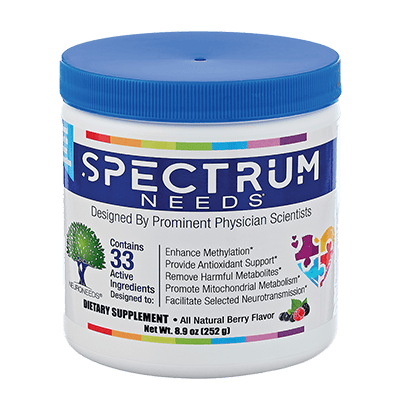



 What Is SpectrumNeeds®?
 What Is ActivNeeds?
 What Is EnergyNeeds®?
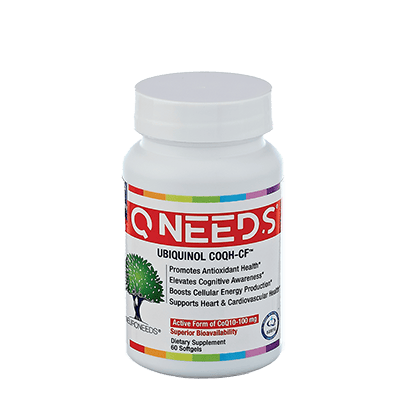
 What Is QNeeds®?
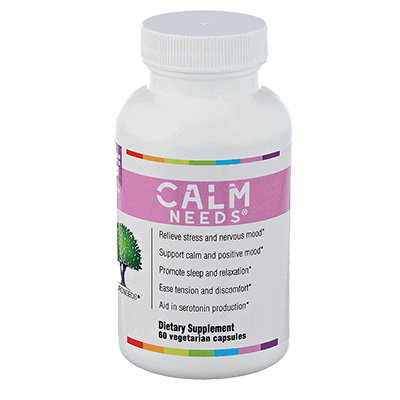
 What Is CalmNeeds®?
 What Is OmegaNeeds™?
 What Is FocusNeeds™?
 What is FolinicNeeds®?
 Products By Condition
 Blog
 About NeuroNeeds Video
 Products Guide
 Medical Advisory Committee
 Research
 Find A Doctor
A new paper by Christopher Abildgaard of the University of Hartford makes a simple point: before neurodivergent students can learn well, they need to feel safe. Accommodations help, but they work best when they rest on trust and predictability.
Why Trust Matters
Research shows that students who trust their teachers engage more, feel they belong at school, and keep going when things get hard. Trust grows when teachers are consistent, transparent, and caring. A good teacher becomes a “safe haven” and a “secure base” from which students can take risks.
Differences, Not Deficits
The paper starts from the neurodiversity-affirming view that autism, ADHD, dyslexia, and sensory processing differences are natural variations in how people think, not problems to be fixed. This changes how adults respond. Instead of asking what is wrong with a student, teachers ask what in the environment is getting in the way and what strengths the student brings. When students don’t feel judged, they don’t have to hide who they are.
Behavior Is a Signal
Skills like planning, organizing, remembering instructions, and switching tasks are called executive functions. Many neurodivergent students find these exhausting, and the effort often goes unseen. A student who looks distracted, defiant, or checked out may be working incredibly hard. The paper encourages adults to read these moments as signs of overload, not laziness. When students feel blamed, they learn that adults are unpredictable, and trust wears away.
The “Bandwidth” Idea
Think of each student as having a limited amount of mental energy each day. Neurodivergent students may spend much of theirs on things other kids do automatically, like filtering out noise and lights, handling transitions, and reading social cues. Students who have experienced trauma or ongoing stress may start the day with even less, because their bodies stay on alert for threats.
When a classroom is unpredictable, noisy, or full of sudden changes, there’s little energy left for learning. Teachers who understand this respond with patience, flexibility, and consistency.
Predictability Is Support, Not Rigidity
If students don’t have to keep guessing what comes next, they can use that energy to learn. Structure isn’t about strict rules. It’s about helping students know what to expect. The paper highlights practices such as:
- Visual schedules
- Morning check-ins
- Warnings before transitions and countdown timers
- Assignments broken into smaller chunks
- Consistent signals for changing activities
- End-of-day reflection routines
It also recommends brief connection rituals at the start of class, calming routines, movement breaks, and talking with families about what helps and what stresses their child.
Letting Students Be Themselves
Many neurodivergent students “mask,” suppressing natural behaviors to look more typical. It may look like cooperation, but it often leads to exhaustion, anxiety, and a loss of connection to who they are. The paper suggests that teachers allow movement, stimming, and different ways of communicating, and respond with calm and consistency. The goal shifts from performing to belonging.
The Bottom Line
Inclusion starts with relationships, not just procedures. When classrooms offer structure, consistency, and understanding, neurodivergent students can move beyond just getting by and toward safety, confidence, and belonging.
Want to go deeper? Read the full paper: Abildgaard, C. (2026). Building Trust in Neurodiverse Students: Strategies for Creating Security and Predictability in the K–12 Classroom. Review of Disability Studies, 21(1). https://rdsjournal.org/index.php/journal/article/view/1477. Licensed under CC BY 4.0. This post is a summary and adaptation.*
Disclaimer: The information provided herein is for general informational and educational purposes only. It is not intended to be a substitute for professional medical advice, diagnosis, or treatment. Always seek the advice of your physician or another qualified, licensed healthcare provider with any questions you may have regarding a medical condition.